About The Event
This 1-hour executive briefing, the first in our three-part series, gave leaders a practical, evidence-based introduction to AI strategy and previewed the thinking, tools, and frameworks used in our Executive Education course.
Not a sales demo. A high-signal executive briefing.
The Question We Tackled:
AI is dominating boardroom conversations. Some claim it will redefine every industry. Others dismiss it as hype that won't survive the next cycle.
Most executives sit in the middle, expected to make decisions without clear frameworks or confidence in what's real.
This webinar cut through the noise to give leaders evidence-based frameworks for evaluating AI opportunities.
The Key Insight:
"AI productivity gains in the real world are 90% lower than lab results."
Research shows massive gaps between demonstrations and actual implementation:
- Lab settings: 50% improvement
- Field experiments: 15-30% improvement
- Natural workplaces: 4-6% improvement
But that doesn't mean AI isn't worth pursuing.
Real production results include AI handling 20-30% of maintenance issues for 1.5 million properties and 10X faster development coding.The difference?
Realistic expectations and problem-first implementation.
The Bottom line:
The opportunity is real. Just not as big as the demos suggest. Understanding that gap separates successful AI adoption from expensive experiments.
Missed it?
Access the recap here:
Hungry for more?
Check out our next webinar:


As founder and chairman of ReimTech and former co-Chair of ULI's Council on Real Estate and Technology, Naqash sits at the intersection of real estate investment and emerging technology. He chairs INREV's Technology Committee and serves on AREF's Technology working group, giving him a unique perspective on how Europe's leading real estate firms are actually deploying AI and where they're holding back.
An angel investor focused on climate, green energy, and AI startups, Naqash will bring both the investor's lens on AI hype cycles and the practitioner's view on what's delivering real value in real assets today.
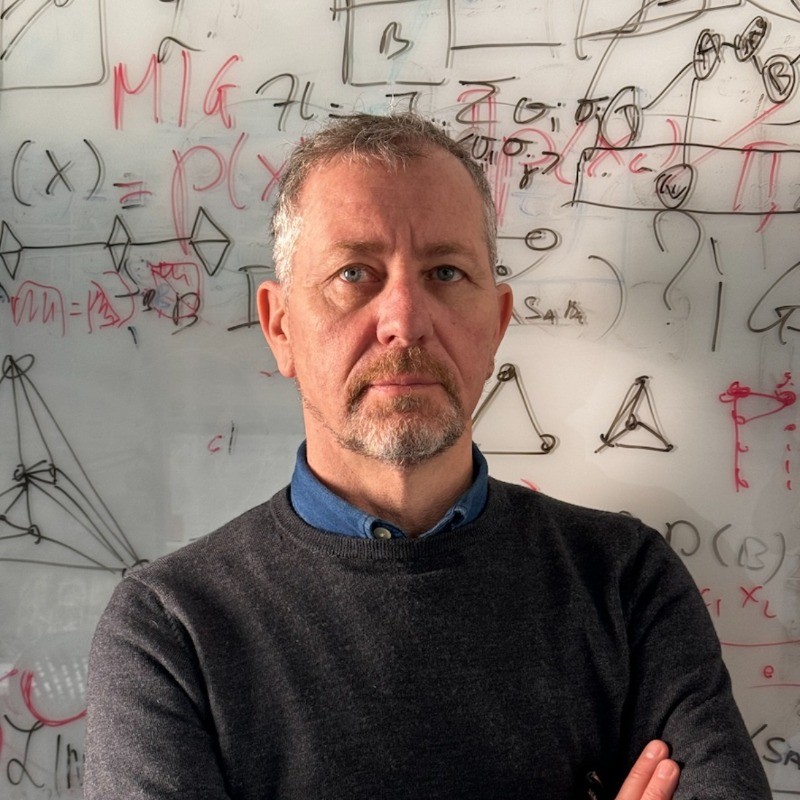

Drawing from network science, machine learning, and large language models, Maria's work examines how AI is actually reshaping economies and labour markets, not just the promise, but the measurable impact. She has advised international policy organisations including the International Monetary Fund and the International Labour Organisation on AI and economic transformation.
With a PhD in Mathematics from Oxford's Complexity Economics group and fellowships at Harvard Kennedy School and the Complexity Science Hub Vienna, Maria brings rigorous academic insight into whether today's AI momentum is justified by economic fundamentals.
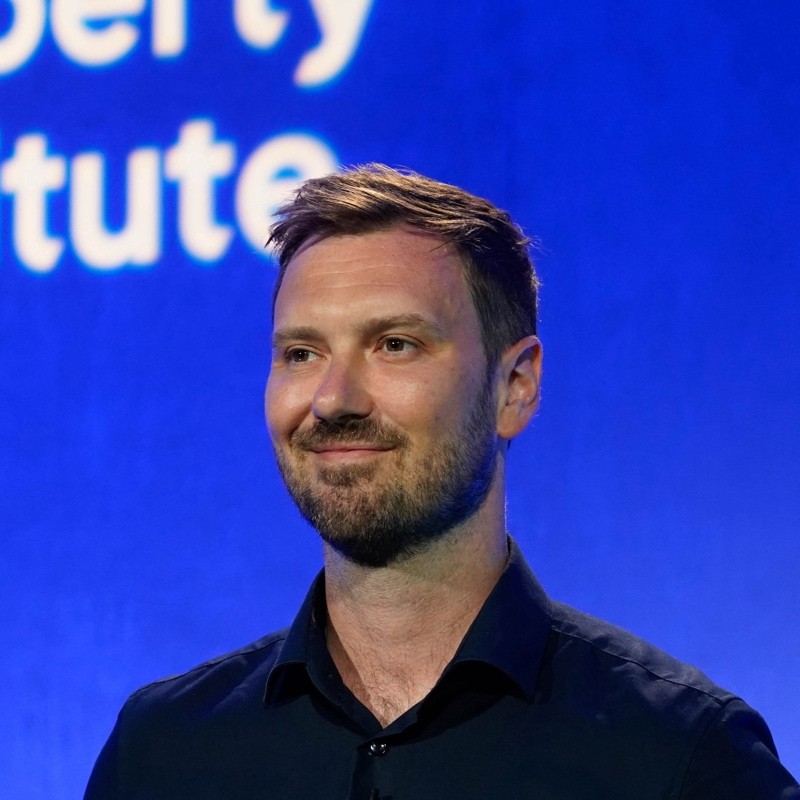
In 2023, Tom sold his Google-backed AI real estate company, askporter, to Germany's largest facilities operator.
He now serves as Chair of the RED Foundation AI Committee , CEO of Machines For Humans, an AI consultancy for real estate and Chief Product Officer for Adiuvo a property services and technology company serving over 1 million properties globally.
Tom is committed to applying AI for positive societal and business impact.
AI represents structural transformation—like railways and telecom before it.Yes, there are investment bubbles. But the underlying infrastructure is reshaping economies. We're seeing frothy capital allocation around genuinely transformative technology.
Implication for leaders: Don't dismiss AI as pure hype, but don't believe every promise either.
The most important finding from recent research:
- Lab demonstrations: 50% productivity gains
- Field experiments: 15-30% gains
- Natural workplaces: 4-6% gains
Why it matters: Vendor demos are run in controlled lab conditions. Your results will be 90% lower. Plan accordingly.
Production data from panelists:
- AI handling 20-30% of maintenance issues for 1.5M properties
- 10X faster coding with recent models
- Measurable ROI in document extraction and compliance
The pattern: Back-office workflows, not creative work. Subtasks, not entire jobs.
"So long as we have problems, we will have jobs."
The consensus:
- AI won't eliminate entire professions
- It will automate subtasks within jobs
- Focus on removing drudgery, preserving judgment
- Employees should use AI for tasks they dislike, not creative work
The risk: Dependency on AI for tasks that build core competency (like GPS navigation degrading spatial reasoning).
Want to hear more?
Access the recap here:


.png)