Organisational Structures for Data Management
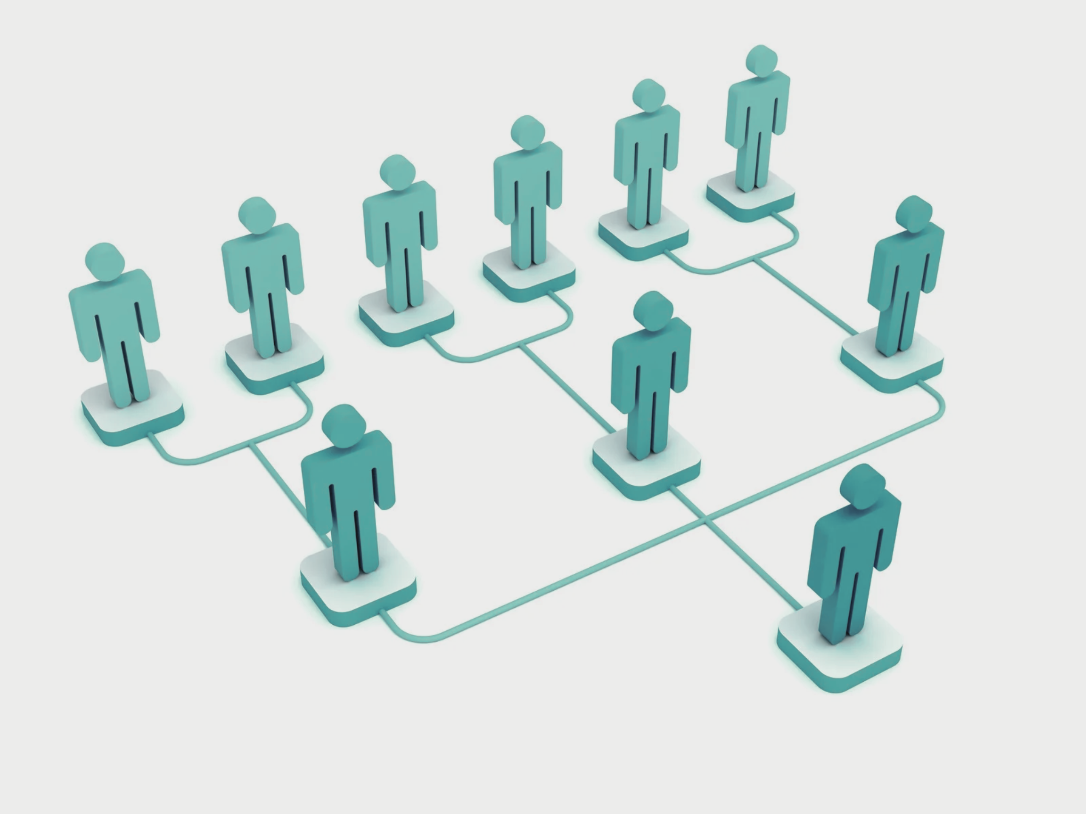
The best data strategy, complete with compelling vision and a rigorous roadmap, will fail without the right people and the right structure to support it. As part of defining the long-term plan for managing an organisation's information assets, a data strategy must explicitly address People & Culture.
A critical consideration is not only who you need but how you should structure your teams to be successful. This includes defining team structures, necessary roles, and the skills needed to execute the strategy.
Team Structures: Choosing the Right Operating Model
The decision on team structure must be made after considering a build vs. buy vs. partner strategy. The selection of the right operating model depends on the organisation's maturity level and size. There are three typical team structures used in data management:
Operating ModelDescription/CharacteristicsKey ConsiderationsCentralisedA single team, focusing on fast iterations (Centralised + Agile). All subject areas rely on a single DATA HUB.Best for small/medium organisations or when capability is less mature.FederatedA central Centre of Excellence (CoE) supplemented by embedded teams. The DATA HUB feeds data to separate Subject Area teams (A, B, C, etc.).Suitable for large organisations that need to scale but may still benefit from centralised control and shared resources. Often involves a Data Mesh concept.ReplicatedRegional hubs with autonomy. Each subject area (A, B, C, etc.) may have its own Data Hub or rely on separate supplier-specific Data Hubs.Suitable for organisations that are highly regulated or have a large budget, and where separate hubs can operate autonomously. Often involves a Data Mesh concept.
The chosen structure is documented in the Operating Model Blueprint, which shows how work flows from ideation to production.
Roles and Responsibilities: Ensuring Accountability
A major cost of not having a data strategy is the lack of ownership & accountability. Therefore, defining clear roles and responsibilities is essential for achieving the strategy's objectives.
The strategy must define the Organizational Design, specifying the Team structure with roles, responsibilities, and reporting lines. Formal accountability is secured through documentation:
- Scope Statement: This document specifies the Roles, organisations, and individual leaders accountable for achieving the objectives outlined in the strategy.
- Model Registry: This artifact catalogs planned and deployed models and tracks their ownership.
Skills and Capabilities: Building a Future-Ready Team
Successful execution requires a clear understanding of the human capital needed. When designing the team structure, special attention must be given to skills and capabilities.
Key Focus Areas for Skills:
- Types of Roles/Skills Needed: The organisation must define the specific roles required, such as data engineers, ML engineers, data scientists, and analysts.
- Current Team Capabilities: An assessment of the Current team capabilities is necessary.
- Training and Upskilling Requirements: Based on the gap between current and required skills, the necessary Training and upskilling requirements must be addressed.
To formalize this, the strategy development process produces several key artefacts focused on people and culture:
- Skills Matrix: This provides a Gap analysis between current and required capabilities.
- Training Curriculum: This outlines a Multi-tiered learning program covering essentials like data literacy, technical skills, and leadership.
- Hiring Plan: This details Prioritized recruitment needs with role descriptions and timelines.
Overall, the data strategy must account for Organisational Structure, Resourcing, Training, Engagement, and Funding to ensure the people component of the long-term plan is adequately addressed.


.png)